






La elección de una fresadora dental influye en la compatibilidad de materiales, la planificación de la producción, el mantenimiento y la consistencia del flujo de trabajo de un laboratorio dental. Esta guía explica cómo comparar sistemas de fresado en seco, en húmedo y mixtos antes de invertir.
Comience por sus materiales y tipos de casos
List the materials and indications you process most often. Your daily workload, restoration mix, turnaround targets, and space available for maintenance should guide the decision before individual specifications.
1. Choose Between Dry, Wet, and Wet/Dry Milling
Dry milling is commonly considered for zirconia-focused workflows. Wet milling is suited to workflows that require coolant and material-specific cleaning. Wet/dry systems may suit labs that need flexibility across more than one production path, but they also require clear cleaning and maintenance procedures between workflows.
For a detailed workflow comparison, see wet vs. dry dental milling.
2. Considere la configuración de ejes y el rango de indicaciones
La configuración de ejes influye en cómo el sistema gestiona las geometrías de las restauraciones, el acceso de las herramientas y la flexibilidad de producción. Evalúe las indicaciones que planea fabricar, no solo el número que aparece en la ficha técnica.
3. Evalúe la capacidad de producción y la automatización
Consider spindle time, blank handling, tool management, job queuing, cleaning time, and how easily an operator can move a case from design to finishing. A suitable machine should support stable output without creating bottlenecks elsewhere in the lab.
4. Revise la compatibilidad CAD/CAM y el flujo de archivos
Confirm the machine works with your CAD software, nesting workflow, material strategy, and finishing process. A clear digital path from scan to design to milling reduces manual handling and communication delays.
See CEDU’s digital dental workflow guide for labs for the broader workflow.
5. Planifique el mantenimiento, el servicio y la capacitación
Ask about routine cleaning, calibration, bur management, coolant handling where applicable, software updates, technical support, and training. These factors directly affect uptime and long-term consistency.
6. Compare el costo total de propiedad
Compare more than purchase price. Include tooling, materials, service, maintenance time, operator training, and the effect on remake rates and case turnaround.
Evalúe la capacidad utilizando el tiempo real de producción
Use representative cases to estimate capacity. Include setup, nesting, tool changes, material loading, milling time, cleaning, and final inspection rather than only theoretical spindle time. This creates a more useful comparison between machines and helps identify whether a single unit, a flexible wet/dry system, or separate production paths are appropriate for your laboratory.
Also consider operator coverage. A workflow that depends on one highly experienced person may limit production resilience. Clear procedures, training, and accessible support help the laboratory maintain consistency when workloads change.
Adapte la máquina al flujo de trabajo de su laboratorio
Before comparing individual machines, map the complete workflow around them. Include case intake, scan source, CAD design, nesting, milling, sintering or post-processing, quality control, and delivery. A machine that looks efficient in isolation may create delays if material preparation, cleaning, or finishing capacity cannot keep pace.
For a growing laboratory, it is useful to define a practical first-year case mix and a future expansion target. This makes it easier to compare capacity, material flexibility, operator workload, and the support your team will need as volume increases.
Preguntas que debe hacer antes de comprar
- Which materials and indications will we mill most often?
- Do we need dry, wet, or wet/dry capability?
- How many cases must the machine support per day?
- How will it fit our CAD/CAM and finishing workflow?
- What cleaning, maintenance, and support requirements should we plan for?
- Can we review a demonstration using a case similar to ours?
Encuentre el flujo de fresado dental adecuado
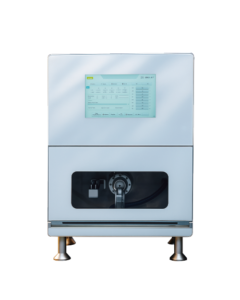
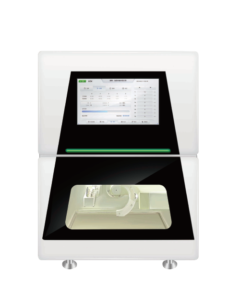
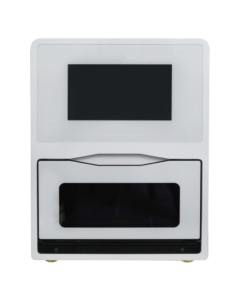
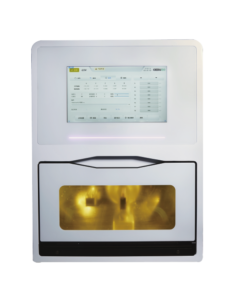
CEDU offers milling solutions for different laboratory production needs: the MD5 dental dry milling machine, the MY5 dental wet milling machine, and the MW6 wet and dry dental milling machine. To discuss workflow fit or request product information, contact the CEDU team.